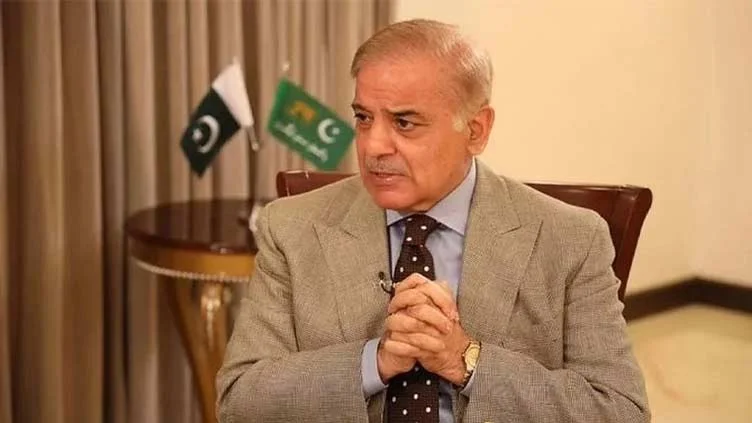
ISLAMABAD: Prime Minister Shehbaz Sharif acknowledged that the recent ceasefire between Pakistan and India was made possible due to mediation efforts by the United States.
Speaking at the US Independence Day event held at the American Embassy in Islamabad, the prime minister expressed Pakistan’s willingness to accept the ceasefire in the interest of maintaining peace and stability in the region.
During his address, Shehbaz Sharif also congratulated the American people on the 249th anniversary of the United States’ independence and reiterated Pakistan’s commitment to strengthening bilateral relations between the two countries.
He recalled the longstanding ties between Pakistan and the US, noting that America was among the first countries to recognize Pakistan after its own independence.
Pakistan’s Role in Global Security
The prime minister highlighted Pakistan’s sacrifices in the fight against terrorism, stating that no other nation had suffered as much in this struggle.
He emphasized Pakistan’s role as a frontline state during the 1980s Afghan war and its significant contributions to the global war on terror following the 9/11 attacks. These efforts came at great human and economic costs to Pakistan.
Addressing Indo-Pak Tensions
Regarding recent tensions with India, Shehbaz Sharif described the Pahalgam incident as a staged drama and a false-flag operation. He pointed out that Pakistan had offered a transparent investigation into the matter, but India responded with aggression.
It was only through sustained diplomatic engagement led by the United States that a ceasefire was reached. The prime minister stressed that Pakistan accepted the ceasefire to prioritize peace and regional stability over conflict.