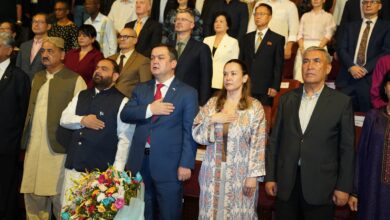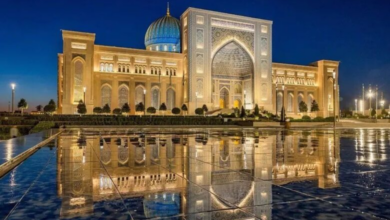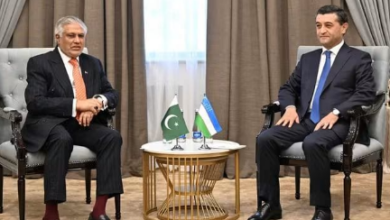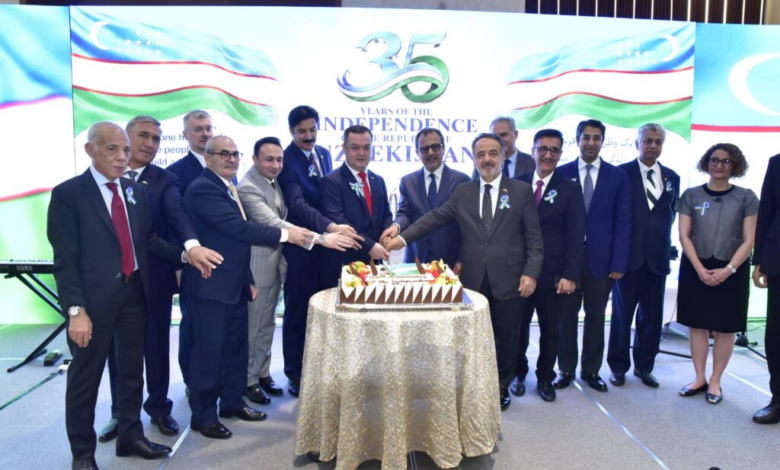
Islamabad: Uzbekistan’s 35th Independence Anniversary was celebrated in Islamabad with the participation of senior Pakistani officials, diplomats, parliamentarians and other distinguished guests, highlighting the deepening ties between Pakistan and Uzbekistan.
Federal Minister for Energy Sardar Awais Ahmad Khan Leghari attended the ceremony as the chief guest. The event featured remarks on Uzbekistan’s historical heritage, its ongoing reform process and the expanding strategic partnership between Islamabad and Tashkent.
Addressing the gathering, Uzbek Ambassador Alisher Tukhtaev said Uzbekistan’s statehood and civilizational heritage extend back more than 3,000 years, noting that the region has produced some of the world’s renowned scholars, including Al-Khwarizmi, Al-Biruni, Ibn Sina, Mirzo Ulugbek and Alisher Navoi.
The ambassador highlighted the wide-ranging reforms undertaken under President Shavkat Mirziyoyev, particularly in improving living standards, education, science, innovation and the rule of law. He said Uzbekistan has also made significant efforts to reduce poverty and expand investment in schools, universities and scientific institutions.
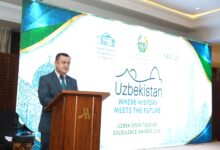
Tukhtaev further underlined Uzbekistan’s efforts to strengthen cooperation with neighbouring Central Asian states while simultaneously expanding the country’s engagement with the wider international community.
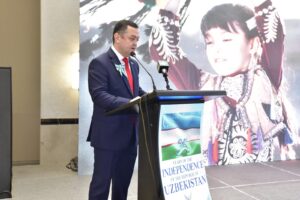
Turning to Pakistan-Uzbekistan relations, the ambassador described the two countries as being connected by longstanding historical, cultural and religious ties, saying recent high-level exchanges had provided fresh momentum to bilateral relations.
He referred to Prime Minister Shehbaz Sharif’s visit to Uzbekistan and President Shavkat Mirziyoyev’s state visit to Pakistan in February 2026, during which the two countries signed 30 bilateral documents aimed at broadening cooperation and further consolidating their strategic partnership.
The ambassador said Pakistan and Uzbekistan are targeting an increase in bilateral trade to $2 billion within five years, with both sides working to expand investment, establish trade houses, strengthen banking cooperation and facilitate the movement of goods between the two countries.
He also highlighted improvements in air connectivity, noting that direct passenger services between Tashkent and Islamabad and Lahore are operational, while cargo connectivity has also been established. Direct connectivity with Karachi is expected to follow, with the number of weekly flights projected to rise to nine by October.
The proposed Uzbekistan-Afghanistan-Pakistan railway was also highlighted as a major prospective corridor linking Central and South Asia. The project, if realized, could facilitate access to new markets, create employment opportunities and strengthen regional trade and transport connectivity.
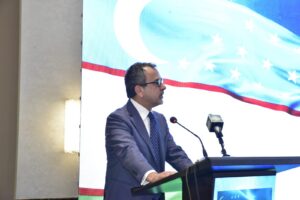
Speaking as chief guest, Federal Minister Awais Leghari reaffirmed Pakistan’s commitment to strengthening relations with Uzbekistan and said Islamabad attaches considerable importance to its partnership with Tashkent.
He identified energy, trade, investment and regional connectivity as key areas where bilateral cooperation could be further expanded. According to the minister, improved transportation links could create new economic opportunities and contribute to greater commercial integration between the two countries.
Leghari also emphasized the importance of strengthening people-to-people contacts and institutional cooperation, saying enhanced connectivity and economic engagement could translate the longstanding friendship between Pakistan and Uzbekistan into a partnership delivering tangible benefits for both peoples.
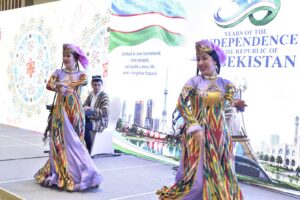
The ceremony concluded with a presentation of Uzbek cuisine and a cultural performance highlighting Uzbekistan’s rich historical and cultural heritage.