Pak Senator Mushahid Hussain Champions Eurasian Multilateralism at Inaugural Pakistan-Russia Forum in Moscow

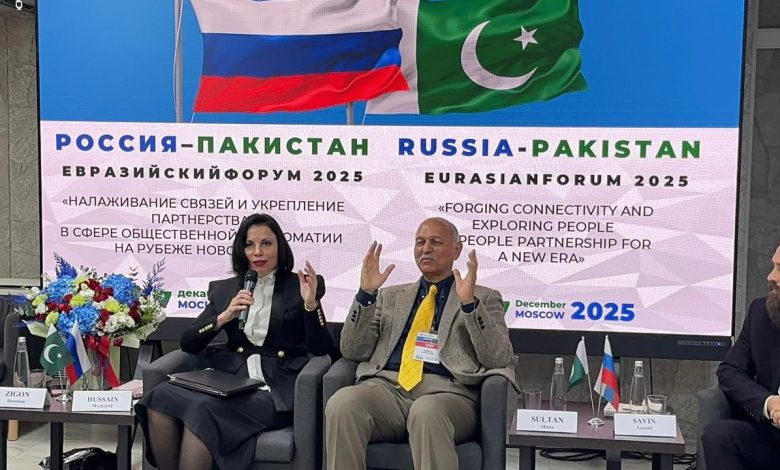
Moscow – In a landmark address at the first-ever Pakistan-Russia Eurasian Forum 2025, held in the Russian capital on December 16-17, Senator Syed Mushahid Hussain Sayed underscored the strategic partnership between Pakistan and Russia, advocating for enhanced connectivity and cooperation across Eurasia. The forum, themed “Forging Connectivity and Exploring People-to-People Partnership for a New Era,” brought together diplomats, academics, business leaders, and policymakers to discuss non-traditional security challenges, economic synergies, regional development, and cultural ties.
Organized by the University of World Civilizations in Russia and supported by institutions like the Federal Urdu University of Arts, Science & Technology in Pakistan, the event featured keynote addresses from ambassadors and senators, culminating in the signing of a Memorandum of Understanding (MoU) for academic collaboration. Senator Mushahid, a prominent Pakistani parliamentarian and former chairman of the Senate Defense Committee, delivered two key speeches: one on non-traditional security and regional cooperation, and another on leveraging platforms like the Shanghai Cooperation Organization (SCO) for integrated connectivity.
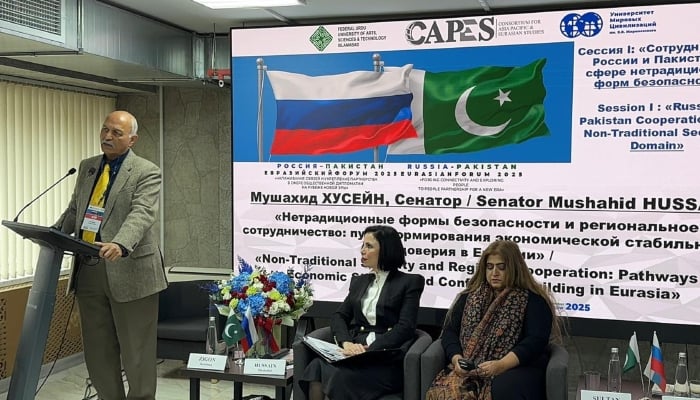
Central to Senator Mushahid’s message was the reinforcement of Eurasian connectivity as a pillar for multilateralism in a shifting global order. He announced the establishment of the “Eurasian Connectivity Forum” as an institutional mechanism to promote regional cooperation, emphasizing connectivity in commerce, culture, and people-to-people ties. “The Eurasian Connectivity Forum would promote regional cooperation,” he stated, outlining its key pillars: counter-terrorism, commerce and culture, education and energy, and people-to-people connectivity. Media, academia, and think tanks were highlighted as crucial players in this initiative.
The senator also proposed an annual Pakistan-Russia Strategic Dialogue, led by opinion makers, business leaders, and thought influencers from both nations. This dialogue aims to deepen bilateral ties in the absence of fundamental conflicts of interest, with both countries sharing views on issues like opposing a new Cold War, maintaining neutrality on Ukraine, and rejecting global or regional hegemony. “Pakistan had a positive and balanced perspective on Ukraine, while Russia too remained neutral during Indian aggression against Pakistan,” Mushahid noted, urging both governments to “seize the moment” for a broader partnership.

In his remarks, Mushahid described Pakistan and Russia as “strategic partners in Eurasia,” pointing to a global power shift from West to East. He referenced U.S. President Donald Trump’s National Security Strategy as acknowledging this multipolar reality, with Eurasia emerging as the “center of gravity of the rising Global South.” Countries like Pakistan, Russia, China, Iran, Turkey, and Central Asian Republics were positioned as drivers of this multilateralism.

The forum comes amid warming ties between Islamabad and Moscow, fueled by shared interests in counter-terrorism, energy cooperation, and regional stability. Senator Mushahid endorsed Russian President Vladimir Putin’s vision of “inclusive and indivisible security,” stressing collective action against threats like terrorism emanating from Afghanistan. “The enemies of Russia, like terrorism, and the enemies of Pakistan, like terrorism, are the same,” he told Sputnik News, adding that “the sky is the limit” for bilateral security cooperation.
Discussions extended to economic synergies, including barter trade to navigate sanctions, infrastructure development, and positioning Pakistan as a transit hub for Russia and Central Asia. People-to-people elements, such as education, tourism, and media partnerships, were also emphasized to build soft power ties.
Global Reactions and Future Implications
The event garnered attention on social media and international outlets, with Mushahid’s interviews on RT and Sputnik highlighting the forum’s role in a post-Ukraine conflict era, crediting Trump’s policies for creating a conducive environment for Eurasian cooperation. Analysts view the proposals as steps toward a multipolar world, potentially strengthening SCO and other regional platforms.
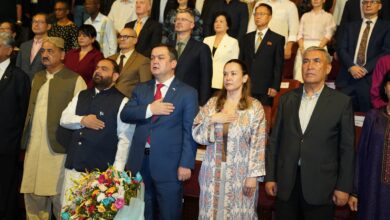
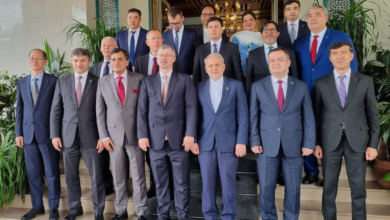
As the forum concluded with cultural performances and a diplomatic reception hosted by Pakistan’s Ambassador to Russia, H.E. Faisal Niaz Tirmizi, participants expressed optimism for institutionalized dialogues to foster enduring partnerships. This initiative signals a pivotal moment in Pakistan-Russia relations, aligning with broader geopolitical shifts in Eurasia.