ISLAMABAD — Pakistan and Italy proudly commemorated 70 years of enduring archaeological collaboration, celebrating a remarkable partnership that has played a vital role in preserving Pakistan’s rich and diverse cultural heritage. Officials highlighted decades of successful joint efforts in research, excavation, and conservation, particularly in the historic northwest region of the country, where Italian scholars have made invaluable contributions to safeguarding the legacy of the ancient Gandhara civilization.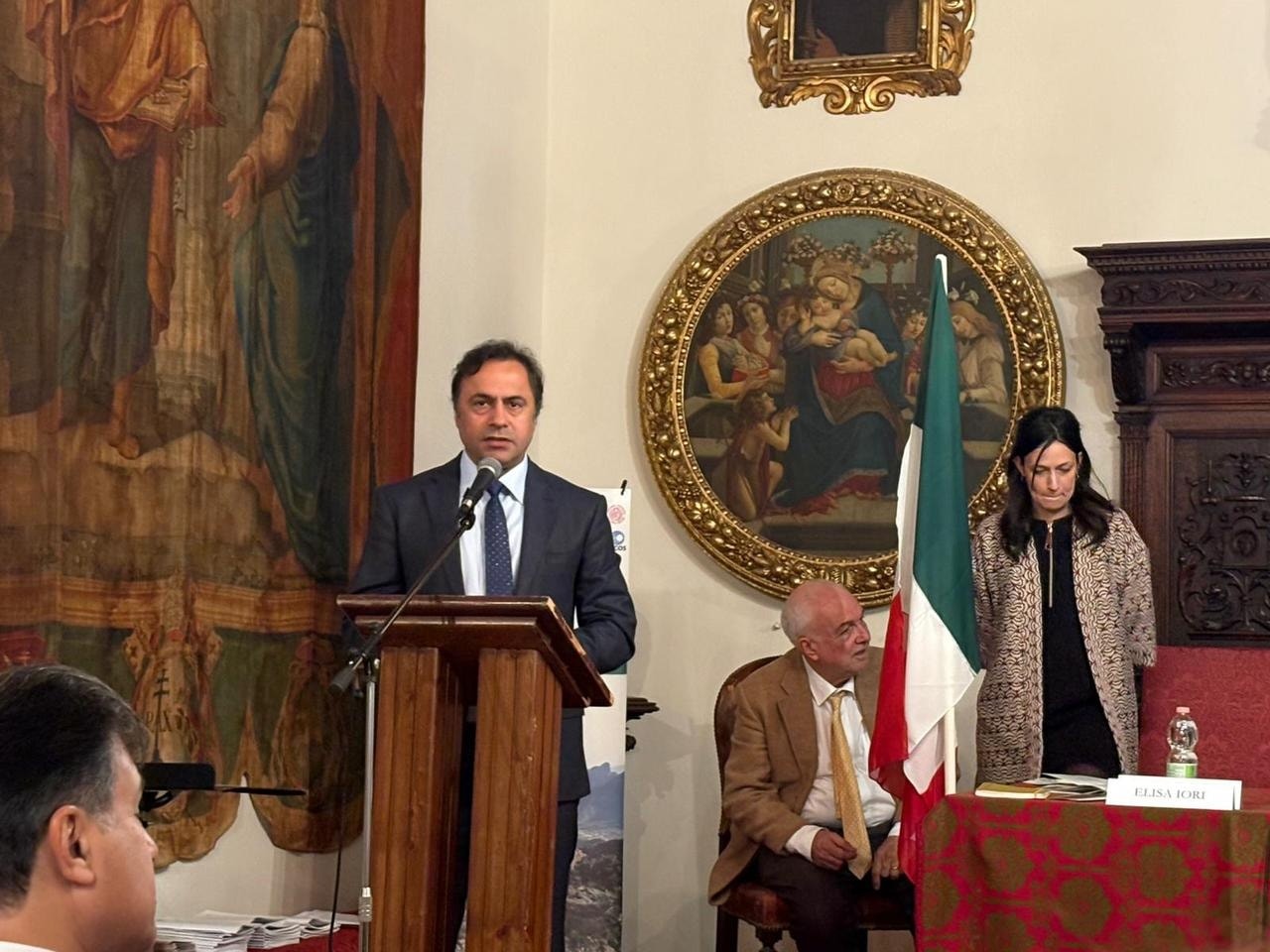
The Italian Archaeological Mission in Swat, founded in 1955 by the renowned Italian scholar Giuseppe Tucci—an eminent authority on Asian art and religious traditions—has emerged as one of Pakistan’s most distinguished and long-standing international archaeological initiatives. Since its inception, the mission has worked closely with Pakistani authorities and academic institutions to document, study, and preserve Buddhist and pre-Islamic heritage sites across Khyber Pakhtunkhwa.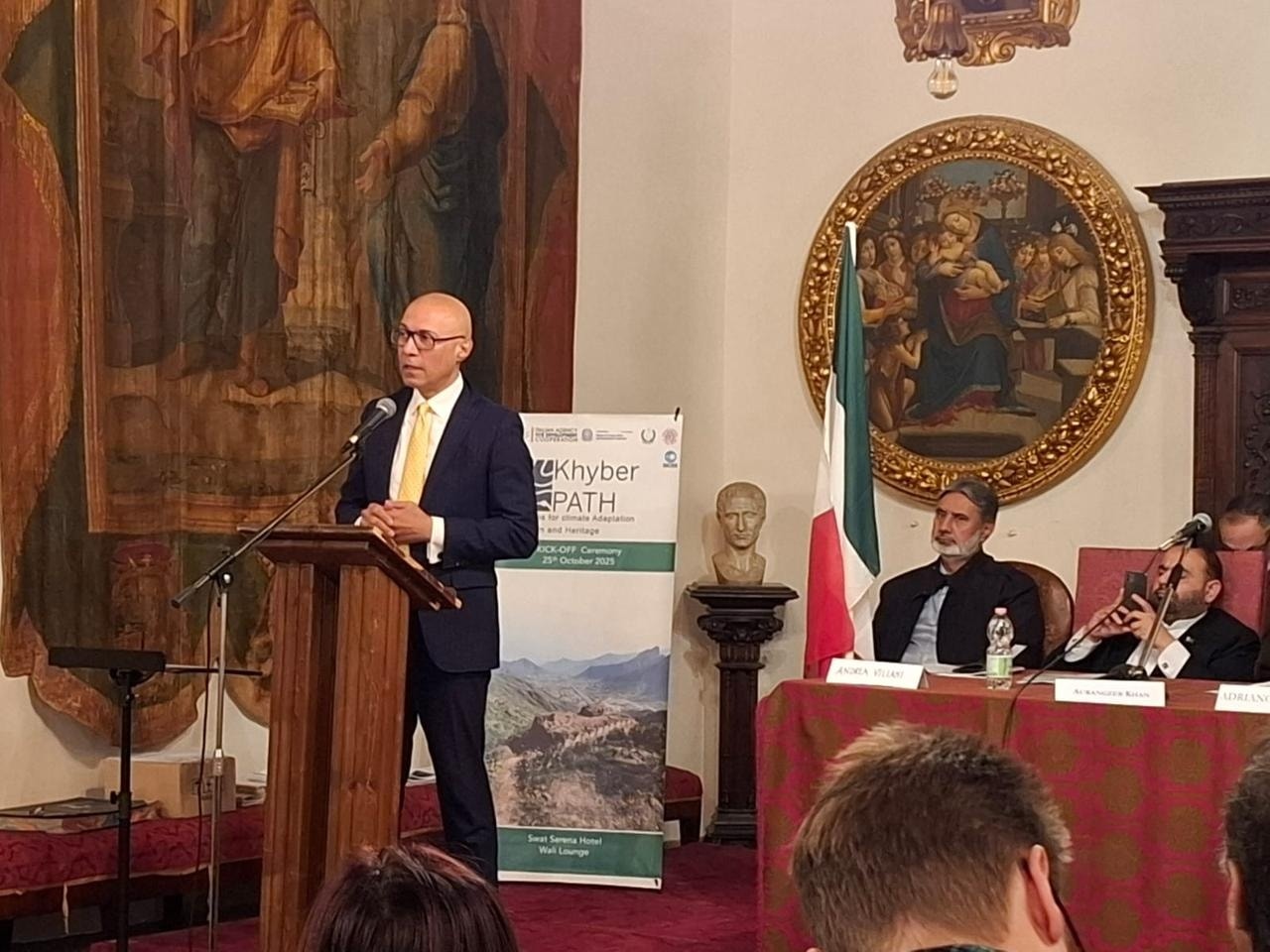
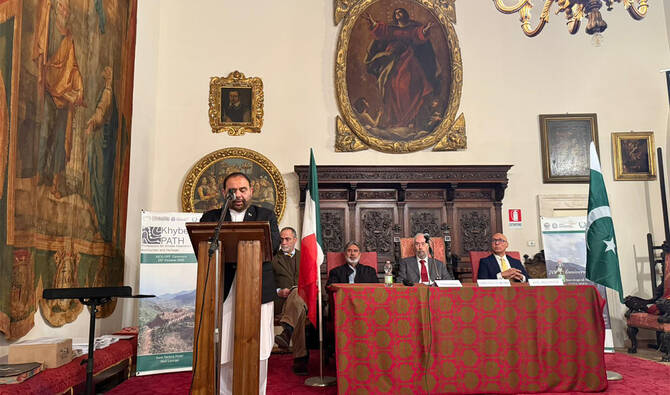
Addressing a commemorative ceremony held in Rome, Pakistan’s Minister for National Heritage and Culture, Aurangzeb Khan Khichi, reaffirmed Pakistan’s strong commitment to advancing archaeological research, conservation, and education. He emphasized Pakistan’s eagerness to further strengthen cooperation with Italy, expanding collaboration in both scale and scope to promote shared cultural understanding and heritage preservation.
The anniversary event, organized by Italy’s International Association for Mediterranean and Oriental Studies (ISMEO) with the support of the Italian Agency for Development Cooperation and the University of Venice, brought together prominent Pakistani and Italian academics, diplomats, archaeologists, and cultural officials. The gathering underscored the deep-rooted academic and cultural ties between the two nations.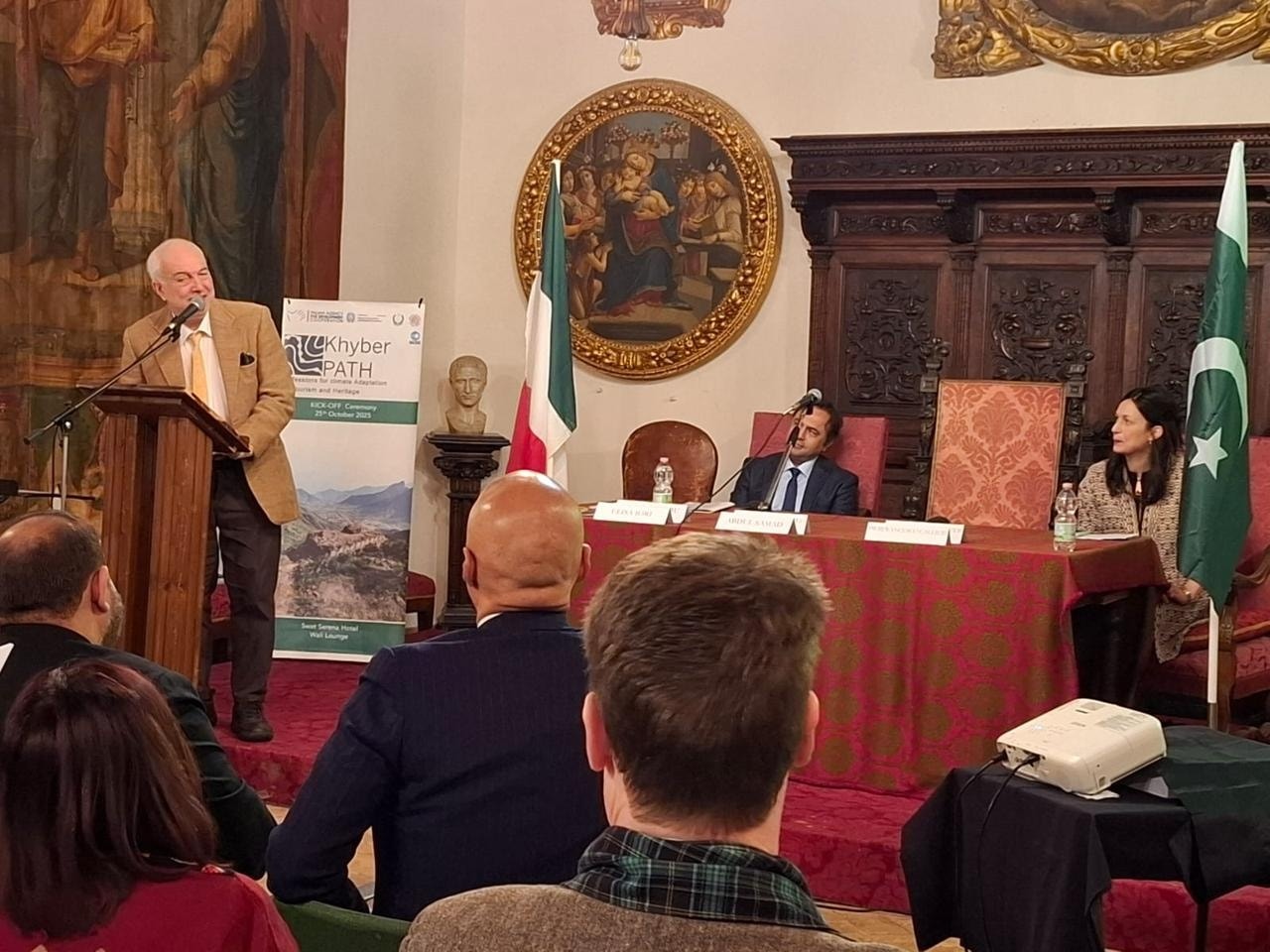

Originally established to systematically document Buddhist sites in the Swat Valley—once a flourishing center of the Gandhara civilization—the Italian mission has since led groundbreaking excavations and conservation work at key archaeological sites, including Barikot, believed to be the ancient city of Bazira, as well as Butkara and Saidu Sharif. These efforts have been instrumental in preserving stupas, monasteries, and artefacts, establishing historical chronologies, and training generations of Pakistani archaeologists and heritage professionals.
Beyond excavation, Italian experts have collaborated with local authorities on museum development, site protection, capacity building, and post-conflict rehabilitation, particularly following natural disasters and periods of instability. Their sustained engagement has significantly strengthened Pakistan’s institutional capacity to manage and protect its archaeological assets.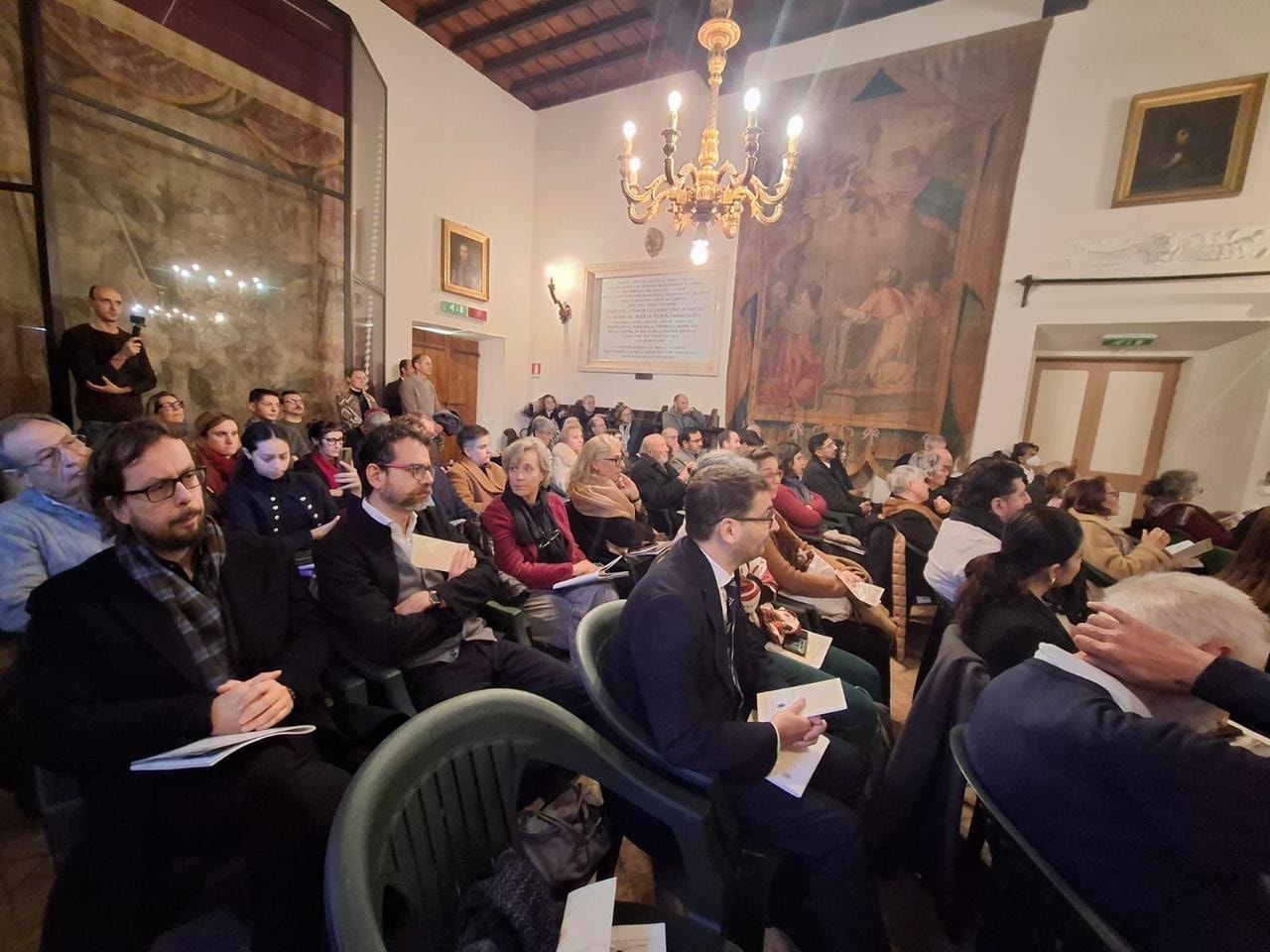
The anniversary program featured in-depth discussions on the mission’s historical achievements, its close collaboration with the Government of Khyber Pakhtunkhwa, and future research directions, including archaeobotany, epigraphy, and geoarchaeology. The sessions were moderated by Professor Luca Maria Olivieri of the University of Venice, a leading figure in Pakistani archaeology for nearly four decades and a recipient of Pakistan’s prestigious Sitara-e-Imtiaz for his outstanding contributions to heritage preservation.
Officials noted that the longevity of the Italian Archaeological Mission stands as a powerful example of successful international cultural cooperation, reflecting Pakistan’s dedication to protecting its archaeological legacy while fostering global partnerships that promote knowledge, dialogue, and cultural diplomacy.