 The Green Climate Fund (GCF) has approved a landmark US$250 million for the “Glaciers to Farms” initiative—an ambitious climate-resilience programme led by the Asian Development Bank (ADB) to support glacier-dependent regions across Central Asia, the South Caucasus, and Pakistan. Designed to strengthen climate-smart water and agricultural systems, the initiative comes at a time when rapidly melting glaciers are reshaping ecosystems, livelihoods, and long-term food security. As media reported on October 29, 2025, the funding forms part of a broader climate investment vision, with the ADB committing an additional US$3.25 billion over the next decade to help countries adapt to climate-induced challenges.
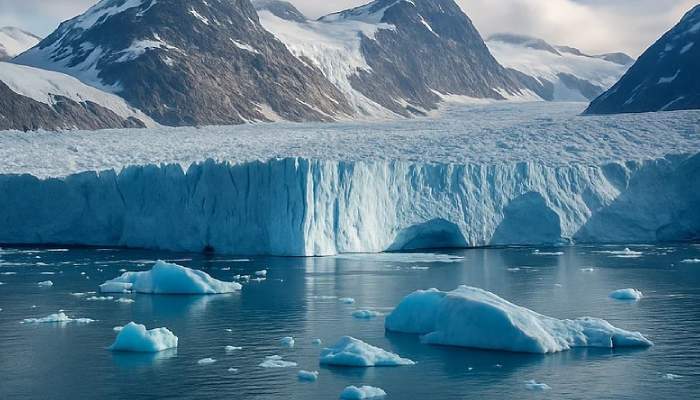
For millions of people living in mountainous areas, glaciers are lifelines that provide essential freshwater for drinking, irrigation, and domestic use. However, accelerated glacial melt caused by rising temperatures is now destabilising this balance. Seasonal water flow, once relatively predictable, is becoming inconsistent as glaciers shrink. This has resulted in water scarcity during dry spells and destructive floods during periods of rapid melt. In Pakistan, the South Caucasus, and Central Asia, glacier-fed rivers serve as primary freshwater sources, particularly during the dry season when communities depend on them most.
Millions rely on the Naryn and Pyanj river basins in Central Asia, the Kura basin in the South Caucasus, and the Swat River system in Pakistan for agricultural and household needs. Yet, as glaciers retreat, these regions are becoming increasingly vulnerable to natural disasters such as floods, glacial lake outbursts, and prolonged droughts. Farmers who depend on predictable water supply for irrigation are especially affected, as fluctuating water flow has led to unstable crop yields, economic hardship, and declining food security.
The Glaciers to Farms programme aims to address these challenges by strengthening agricultural and water systems. Along with the GCF grant, the ADB’s long-term funding will support projects that promote water security and agricultural resilience. The initiative focuses on enhancing water management, modernising irrigation networks, promoting climate-smart farming, and improving watershed protection. These interventions are designed to stabilise water supply, safeguard crops, and reduce disaster risks linked to climate variability.
A central component of the programme is irrigation modernisation. Upgrading outdated canal systems and introducing water-efficient technologies such as sprinklers and drip irrigation are key priorities. These techniques enable farmers to use water more efficiently by delivering it directly to plant roots, reducing wastage and improving crop productivity. The programme also plans to renovate or build new water storage systems—such as reservoirs and small dams—to capture excess water during periods of glacial melt. Stored water can then be used during dry seasons, ensuring a reliable supply for both agriculture and domestic consumption.
Improving watershed management is another critical pillar of the initiative. Healthy watersheds regulate water flow, prevent soil erosion, and sustain freshwater ecosystems. By restoring degraded landscapes and protecting mountain catchments, the programme aims to maintain long-term water availability and reduce environmental risks.
The initiative is expected to directly benefit around 13 million people, particularly farmers and vulnerable communities living in remote mountain belts. These communities often face the greatest climate risks due to limited infrastructure, weak local governance, and inadequate disaster-resilient systems. With better irrigation, water storage, and climate-smart farming, households could see improvements in crop yields, income stability, and overall quality of life. Reliable water systems will also help improve public health by reducing exposure to contaminated water sources.
Climate and glacial assessments will form an integral part of the programme, generating critical data to inform future adaptation projects and national policies. This evidence-based approach is intended to ensure long-term sustainability and climate-resilient development planning.
The GCF has played a vital role in financing climate adaptation in developing countries, and its investment signals global recognition of the urgent climate vulnerabilities faced by glacier-dependent regions. While the initiative is widely welcomed, its success will depend on transparent implementation, community engagement, and consistent policy support. If managed effectively, Glaciers to Farms has the potential to serve as a model for climate adaptation across the region and beyond.
**The author is a seasoned academic and a leading voice in environmental communication, with a focus on climate policy and community awareness. He can be reached at: amjad.unv@gmail.com