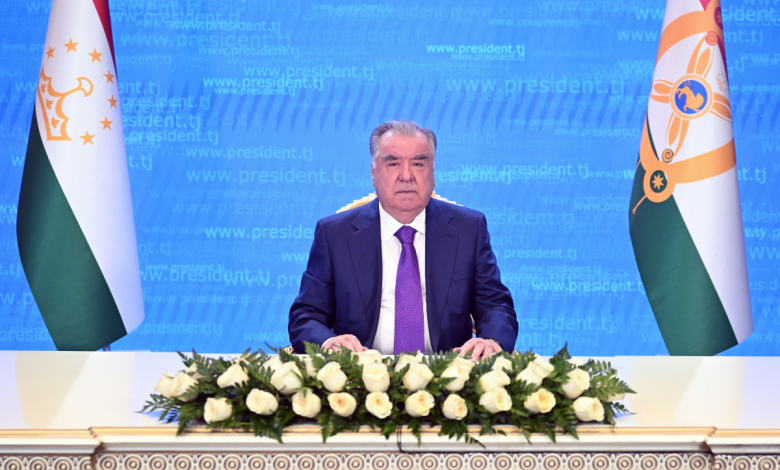
NEW YORK: The United Nations General Assembly on June 25 adopted a Tajikistan-led resolution proclaiming 2027–2036 as the International Decade of Strengthening of Peace for Future Generations, reaffirming the international community’s commitment to peace, dialogue and intergenerational solidarity.
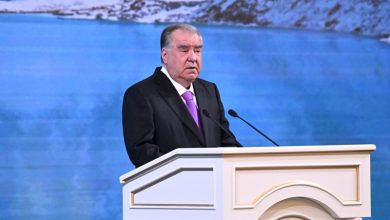
The initiative was introduced by the President of the Republic of Tajikistan, Emomali Rahmon, and reflects Tajikistan’s continued emphasis on peacebuilding, reconciliation and the protection of future generations from the consequences of conflict.
The resolution recalls the purposes and principles of the United Nations Charter, particularly the commitment “to save succeeding generations from the scourge of war” and to resolve disputes through peaceful means. It also recognizes the importance of the Declaration and Programme of Action on a Culture of Peace as a key international framework for promoting non-violence, dialogue and mutual understanding.
Under the resolution, the General Assembly formally declares the period from 2027 to 2036 as the International Decade of Strengthening of Peace for Future Generations. The Decade is aimed at advancing a culture of peace, promoting reconciliation, encouraging inclusive dialogue and strengthening intergenerational engagement, including the participation of children, youth and older persons in shaping policies that affect future generations.

The resolution also acknowledges the role of Member States, leaders and communities that have contributed to peace, national unity and reconciliation through inclusive political processes, confidence-building measures, post-conflict recovery and long-term investment in social cohesion. Such experiences, the text notes, offer valuable lessons for present and future generations.
The General Assembly further welcomed the commitments made during the 2024 Summit of the Future and the adoption of the Pact for the Future, through which Member States pledged to enhance cooperation in protecting the interests of future generations.
The resolution also highlighted positive regional developments in Central Asia, particularly the efforts of Tajikistan, Kyrgyzstan and Uzbekistan to resolve border-related issues through peaceful dialogue and relevant agreements. These developments were recognized as an important contribution to regional stability and good-neighborly relations.
The document requests the UN Secretary-General, specialized agencies, regional commissions and other United Nations entities to support the implementation of the Decade in cooperation with governments and relevant stakeholders. Member States, civil society organizations and international partners are also encouraged to contribute by sharing best practices, knowledge and practical initiatives in support of peacebuilding.
The adoption of the resolution comes at a time when millions of civilians across different regions continue to face the consequences of armed conflict, insecurity and instability. Against this backdrop, the Tajikistan-led initiative is being viewed as a timely contribution to the global peace agenda and a renewed call for dialogue, restraint and collective responsibility.
For Tajikistan, a country that experienced the devastating consequences of civil conflict, the initiative carries particular significance. It reflects the value the Tajik nation places on peace, political stability, national unity and reconciliation, while underscoring the importance of preserving these principles for future generations.
The proclamation of the International Decade of Strengthening of Peace for Future Generations is expected to provide a global platform for sustained action, cooperation and advocacy in support of peace, non-violence and inclusive development.