“The East is a delicate matter.” The famous line from the Soviet classic White Sun of the Desert still neatly captures the Persian Gulf—a region defined by nuance, ambition, and constantly shifting balances of power. For years, Russia’s engagement with the Middle East was viewed largely through the prism of the United Arab Emirates. Dubai came to symbolize comfort, openness, investment-friendly rules, and an easy lifestyle. Tourism led the way, followed by real estate purchases and businesses tailored to Russian residents and visitors. The UAE became familiar—almost routine.
That landscape has begun to change. Western sanctions, tighter compliance regimes, and reputational risks have made working with Russian clients in the UAE more complex. Not because the Emirates have turned unfriendly, but because they must carefully balance relations with the West. The environment remains attractive, but it is no longer as frictionless as before. This naturally raises a broader question: if not only the UAE, then where next?
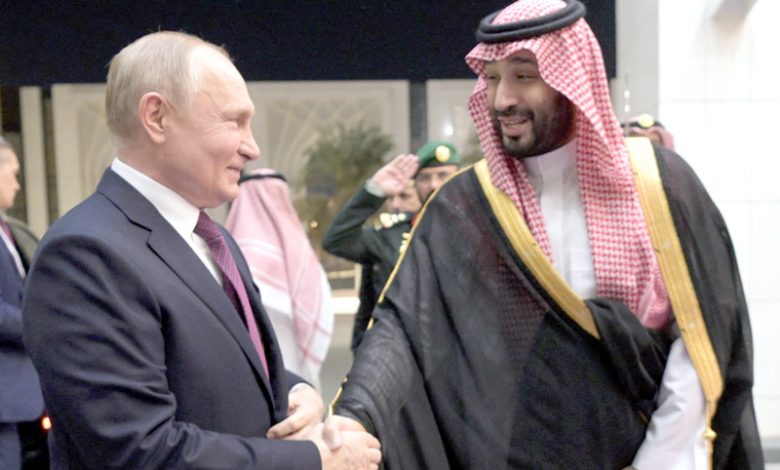
Saudi Arabia increasingly looks like the most compelling answer. Large, wealthy, and undergoing rapid transformation, the Kingdom is positioning itself as a future global hub. Russia–Saudi relations have long rested on pragmatic oil coordination through OPEC+, where cooperation outweighs rivalry. Political dialogue between Moscow and Riyadh appears stable and businesslike. Saudi Ambassador to Russia Sami bin Mohammed Abdullah Alsadhan recently noted that “personal contacts between the leaders of our states form a solid foundation for cooperation,” and recent history supports that view. Vladimir Putin has visited Riyadh in 2007, 2019, and 2023, while King Salman paid a landmark visit to Moscow in 2017—a frequency of top-level engagement few foreign capitals enjoy.
What is changing now goes beyond diplomacy to include people, capital, and ideas. In October 2025, Saudia Airlines launched direct Riyadh–Moscow flights, followed by Flynas opening a Jeddah–Moscow route in December. Daily flights are expected in 2026, along with new connections from St. Petersburg and Sochi. A major turning point will come in January 2026 with the introduction of mutual visa-free travel for 90 days—a clear signal encouraging tourism, business, and wider economic exchange. Riyadh expects more than 200,000 Saudi tourists to visit Russia next year, with ambitions to reach 2 million annually by 2030. In 2024 alone, Saudi visits to Russia increased fivefold, while Russian interest in the Kingdom is also on the rise.

Economic ties are widening as well. In 2024, the two countries recognized each other’s academic degrees and qualifications. Saudi Arabia’s sovereign wealth fund has invested in 40 projects in Russia, including 12 developed from scratch, among them the Rostec City technopark and Bagration Avenue, a major highway running parallel to Moscow’s Kutuzovsky Prospekt. Bilateral trade has doubled over five years and jumped by 85 percent in 2024 alone. Russia exported 4.49 million tons of grain to Saudi Arabia that year, while agricultural exports rose 24 percent. Shipments of beef, poultry, sunflower oil, and rapeseed oil increased sharply, with poultry exports up 1.8 times in early 2025. Total trade has now exceeded $1 billion.
Still, Russia’s footprint remains modest when set against the scale of Saudi–US trade, which reached $25.9 billion in 2024 and is projected to rise to $600 billion within four years. This contrast does not diminish the value of Russian–Saudi cooperation; rather, it highlights how early Russia still is in this market. The potential is clear, but unlocking it will require sustained strategy rather than short bursts of enthusiasm.
There is another crucial factor often overlooked: Saudi Arabia is not the UAE. It is more traditional, more conservative, and closely adheres to Islamic norms. Alcohol is completely prohibited. Dress codes matter. Social etiquette is not cosmetic—it is foundational. Anyone entering this market must adapt or risk failure.
Business advisers already outline key rules for Russians engaging with Saudi partners: intermediaries are not mandatory but are highly useful; discussions typically begin with personal conversation before business; modest dress is essential; punctuality is expected even if hosts may arrive late; negotiation teams should remain stable, as trust is built with people, not rotating faces; women can participate in meetings but are rarely lead negotiators; and exchanging items with the left hand is considered inappropriate. These details may appear minor, but in the Gulf, they often determine success or failure.
The conclusion is straightforward. Russia has an opening in Saudi Arabia—neither guaranteed nor simple, but real. The UAE represented stage one: accessible, comfortable, and easy to navigate. Saudi Arabia is stage two: more complex, more demanding, but potentially far more consequential. Success will not come from enthusiasm alone. It will require cultural literacy, patience, institutional presence, and serious investment in understanding local norms.
Saudi Arabia is no longer a closed desert kingdom; it is an emerging power driven by Vision 2030 ambitions and global capital. The real question is whether Russia is prepared to build something deeper than tourism and agricultural exports—and whether it is ready for the slow, methodical work that genuine partnership demands. The Gulf rewards patience and respect. It rewards those who learn its rules rather than trying to bend them. If Russia treats Saudi Arabia not as a stopover but as a strategic direction, the coming decade could fundamentally reshape the relationship. But the window will not remain open indefinitely. The choice is immediate: remain a passing visitor, or become a long-term player on a new Middle Eastern frontier.