After a Decade of Decline, Alisher Sultanov Exits Uzbekistan’s Energy Leadership

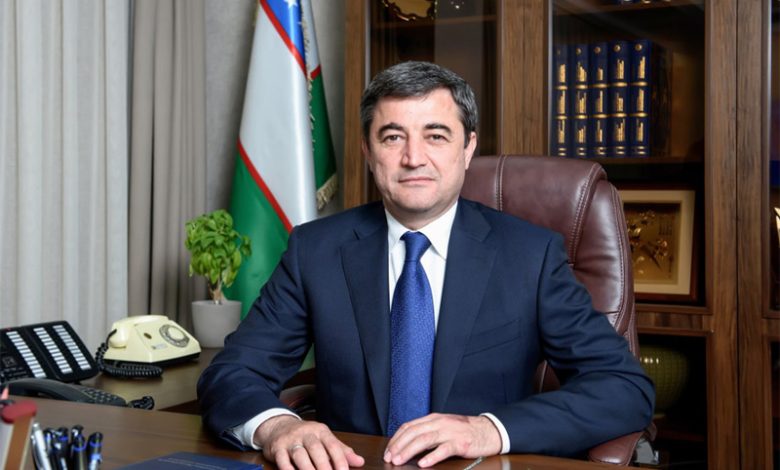
Alisher Sultanov was relieved of his duties as the president’s representative on energy security on December 16, bringing to an end nearly a decade of controversial stewardship at the highest levels of Uzbekistan’s energy sector. During his tenure as head of the state oil and Gas Company and later as a senior Energy Ministry official, national oil and gas output declined steadily, and Uzbekistan shifted from being a gas exporter to a net importer.
Sultanov began his career in the energy sector in the mid-1990s, rising through the ranks of Uzbekneftegaz before becoming its chairman in 2015, a post he held until 2018. In 2017, he was appointed deputy prime minister overseeing the fuel, energy, and industrial sectors, and in February 2019 he became energy minister. Although he stepped down from that role in April 2022, officially for health reasons, he returned in 2023 as a presidential advisor on oil, gas, chemical, and energy issues. In July 2025, that position was rebranded as presidential representative on energy security.
Uzbekistan’s oil reserves are modest, estimated by BP at around 600–620 million barrels, while its natural gas reserves stand at roughly 1.1 trillion cubic meters. Despite efforts to attract international partners to explore new deposits, including in areas of the dried Aral Sea, production has continued to fall.
In 2011, average oil production stood at about 80,000 barrels per day (bpd), with gas output at 56.6 billion cubic meters (bcm). By the time Sultanov assumed leadership of Uzbekneftegaz in 2015, oil production had dropped to around 60,000 bpd and gas to 53.6 bcm. Output fluctuated only slightly over the following years, with gas production peaking in 2018 at 58.3 bcm—well below official projections.


Following Sultanov’s appointment as energy minister in 2019, gas production declined more sharply, falling from 57.5 bcm in 2019 to 47.1 bcm in 2020. Although there was a modest recovery in 2021, production resumed its downward trend in subsequent years, reaching 42.2 bcm by 2024. Over the same period, domestic consumption surged, driven by population growth and industrial expansion, rising from 43.6 bcm in 2020 to 54.6 bcm in 2024.
As a result, winter heating and electricity shortages became increasingly acute from 2020 onward. By 2023, Uzbekistan was forced to begin importing gas from Russia via pipelines that had previously carried Uzbek exports. Imports are expected to reach about 7.7 bcm in 2025, with the possibility of rising further in coming years.
Throughout this period, questions persisted over Sultanov’s continued presence in top energy posts despite the lack of improvement in production. Some observers attributed his longevity to close ties with Russian officials and major energy investors such as LUKoil and Gazprom. While it remains unclear whether these connections shielded him from dismissal, his exit was accompanied by pointed remarks from Energy Minister Jurabek Mirzamakhmudov, who said new fields coming online from 2026 would stabilize the sector and finally halt the prolonged decline in oil and gas production.