The ongoing Russia–Ukraine war is increasingly disrupting Kazakhstan’s energy sector, exposing its dependence on Russian infrastructure for oil and gas exports.
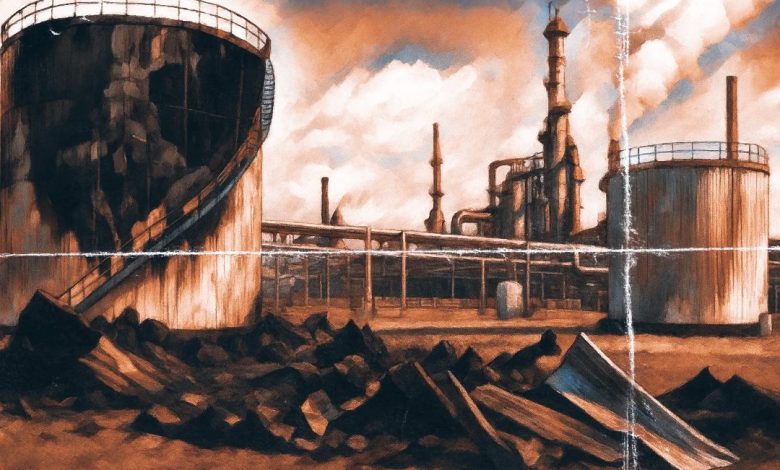
After a September drone attack on the Caspian Pipeline Consortium (CPC) terminal in Novorossiysk and an October 19 strike on Russia’s Orenburg Gas Processing Plant, concerns have grown over Kazakhstan’s energy security. The Orenburg facility, crucial for processing gas from Kazakhstan’s Karachaganak field, was temporarily shut down after the UAV strike, though domestic gas supplies remain unaffected for now.
The CPC, which handles over 80% of Kazakhstan’s oil exports, continues operations but remains vulnerable due to its location inside Russia. These incidents have accelerated Astana’s push for alternative export routes across the Caspian Sea via the Trans-Caspian International Transport Route (Middle Corridor), supported by Azerbaijan, Georgia, the EU, and the World Bank.
Energy experts warn that a prolonged Orenburg shutdown could disrupt winter gas supplies and hinder oil production, as reduced gas processing limits output from Karachaganak. Analysts also note that sanctions, equipment shortages, and project delays—particularly in building a domestic gas plant—increase Kazakhstan’s exposure to regional instability.
Economically, reduced production could help Kazakhstan meet OPEC+ output targets but at the cost of export revenue and budget pressure. Politically, Astana continues a neutral diplomatic stance, avoiding criticism of Ukraine’s strikes while balancing ties with both Moscow and Kyiv.
Overall, the attacks highlight the strategic vulnerability of Kazakhstan’s energy arteries and the urgency of diversifying routes and infrastructure to safeguard its energy independence amid regional conflict.