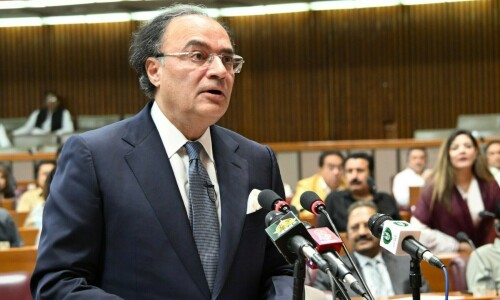
ISLAMABAD: The federal budget for 2025-26 presents a strict austerity framework while offering limited relief to taxpayers and targeted incentives to boost the construction and real estate sectors.
Finance Minister Muhammad Aurangzeb maintained a firm commitment to fiscal discipline in line with IMF requirements, despite the economic challenges faced by Pakistan.
The government aims to reduce the budget deficit to 3.9% of GDP, the lowest in a decade, supported by contributions from provincial governments and controlled expenditure.
Fiscal Targets and Revenue Measures
The budget sets an ambitious revenue target of Rs14.13 trillion, reflecting an 18.7% increase over the current year’s estimates.


This is driven by a combination of higher taxes, projected inflation of 7.5%, economic growth of 4.2%, and savings from reduced debt servicing costs amounting to Rs2.26 trillion.
Despite last year’s significant tax shortfall, the federal and provincial governments collectively worked to maintain fiscal balance, resulting in a deficit lower than initially forecasted.
Relief and Incentives for Key Sectors
Some tax relief has been introduced for the salaried class, including a reduction in income tax rates for incomes up to Rs3.2 million.
Government employees will see a 10% salary increase, and military personnel receive a 25% hike in pay along with a special allowance.
The budget also provides incentives to revive the construction sector, including cuts in withholding tax rates on real estate transactions and tax credits on mortgages for smaller homes.
Furthermore, the government exempted fertilizers and insecticides from taxation to support agriculture as an economic driver.
To manage the fiscal deficit, subsidies have been cut by 14%, notably in the power sector, while levies on fuel and electricity surcharges are set to rise.
Tough measures are planned against tax evaders, including freezing bank accounts and restricting property transfers for serious violations.
Overall, while the budget tightens expenditure and enhances tax collection efforts, it offers modest fiscal relief and targeted incentives aimed at stimulating economic growth and reducing deficit pressures.