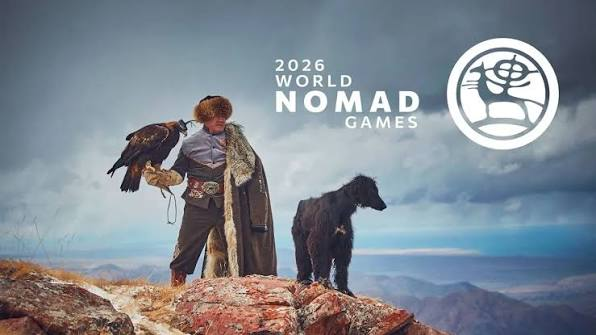
Bishkek: The International Secretariat of the World Nomad Games has released the official brand film for the 2026 edition of the Games, titled “The Call Begins Here,” formally launching the global communications campaign for the upcoming event.
The film presents the World Nomad Games as a global celebration of sport, culture and living heritage. It highlights the deep connections between generations, communities and traditions, while underlining the values that continue to unite people across borders.
Set against the striking landscapes of Kyrgyzstan, the brand film invites international audiences to explore the country’s nomadic heritage, traditional sports and cultural identity. It also features the people who continue to preserve and pass on these traditions to future generations.
According to the Secretariat, “The Call Begins Here” will be used throughout the international promotional campaign for the World Nomad Games 2026. The film will appear on digital platforms, in international media, at official presentations and during promotional events around the world.


The VI World Nomad Games will be held in the Kyrgyz Republic from 31 August to 6 September 2026. The Games are expected to bring together representatives from more than 95 countries, over 3,000 participants from sporting, cultural and academic delegations, and more than 600 accredited media representatives from across the world.
The official brand film aims to introduce global audiences to the enduring spirit of nomadic heritage and position the 2026 World Nomad Games as a major international platform where tradition continues to inspire the future.