Central Asian Agriculture Ministers Approve Joint Declaration, Food Security Plan Through 2030


Tashkent, November 10, 2025 — Agriculture ministers from Central Asian countries have signed a Joint Declaration and the Central Asia Food Security Plan through 2030, committing to deepen regional cooperation and promote sustainable agricultural development across the region.
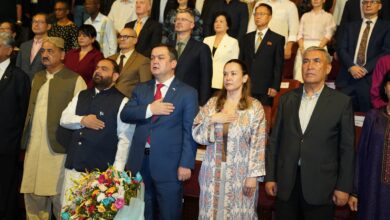
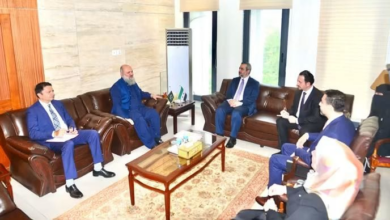
The meeting, held in Tashkent, brought together heads of agricultural agencies, representatives of the diplomatic corps, and international organizations. Kazakhstan’s delegation was led by Deputy Minister of Agriculture Yerbol Taszhurekov, according to the ministry’s press service.
Taszhurekov said that partnerships among Central Asian nations have reached “a new stage,” emphasizing that agricultural collaboration is vital for ensuring food security and resilience amid global challenges.
Kazakhstan’s Expanding Agricultural Capacity

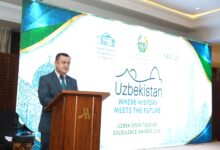
Taszhurekov outlined Kazakhstan’s ongoing efforts to modernize its agro-industrial sector. He noted plans to expand oilseed crop areas by 1 million hectares and legume crops by 300,000 hectares, alongside a significant increase in irrigated agriculture. Over the past two years, the area under water-saving technologies nearly doubled to 590,000 hectares, and is projected to reach 1.3 million hectares by 2030.
These initiatives, he said, have contributed to record grain and oilseed harvests for the second consecutive year, reinforcing Kazakhstan’s position as a key agricultural producer in the region.
Trade and Infrastructure Cooperation
The ministers also discussed regional infrastructure and trade integration, focusing on transport, energy, and innovation projects aimed at boosting interconnectivity. Kazakhstan highlighted recent examples of cross-border collaboration, including the Central Asia International Center for Industrial Cooperation on the Uzbekistan border and the Alatau Industrial and Logistics Complex on the Kyrgyz border.
Agricultural trade between Kazakhstan and other Central Asian countries totaled $2.3 billion from January to September 2025, a 24.4% increase compared to the same period last year. Kazakhstan primarily exports wheat, flour, vegetable oil, beef, and sugar, while importing fruits and vegetables from its neighbors.
Toward a Regional Hub for Sustainable Agriculture
A key outcome of the Tashkent meeting was agreement on establishing a Regional Center for Sustainable Agriculture, which will serve as a platform for sharing expertise, research, and best practices. The center aims to facilitate the implementation of innovative agricultural technologies and strengthen coordination among regional stakeholders.
Officials said the Food Security Plan 2030 envisions closer policy alignment, improved trade logistics, and joint initiatives to increase productivity, enhance climate resilience, and ensure stable food supplies across Central Asia.
The declaration marks a new step in the region’s drive toward coordinated food security and sustainable agricultural growth, positioning Central Asia as an emerging agricultural cooperation hub linking Eurasia’s major economies.