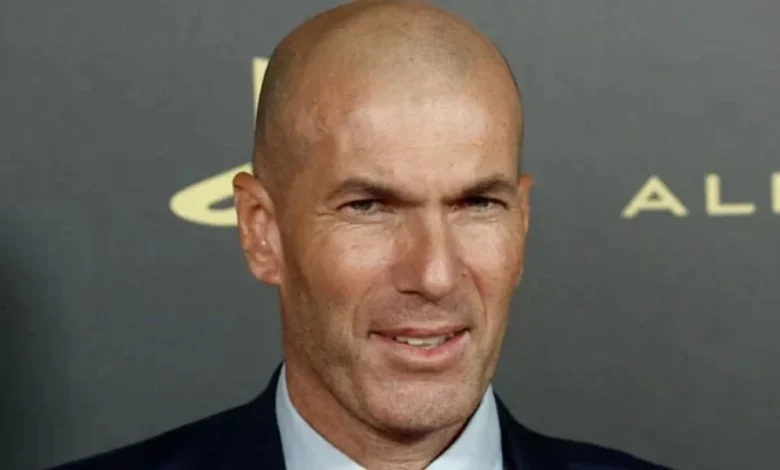
ISLAMABAD: Football legend Zinedine Zidane has expressed his enthusiasm about the possibility of becoming the next head coach of the French national team after the 2026 World Cup.
Zidane, who famously led France to World Cup victory as a player in 1998, described the role as a “dream” and said he feels fully qualified for the position, given his long and successful association with French football.
Speaking at an event organized by Adidas, Zidane reflected on his extensive playing career with the national team, spanning nearly 12 to 14 years. “I feel qualified for the French team, where I played and spent practically 12, 13, 14 years as a player.
Of course it’s a dream. I can’t wait,” he said. Zidane was not only a key player but also the captain for Les Bleus, scoring two crucial goals in the 1998 World Cup final that secured France’s first-ever title.
Transition of Leadership: Deschamps to Zidane?
Currently, Didier Deschamps, Zidane’s former midfield partner during the Euro 2000 triumph, has been coaching the French team since 2012.
Deschamps masterminded France’s 2018 World Cup victory but recently announced that he plans to step down after the 2026 World Cup, paving the way for a new era. Zidane’s potential succession is highly anticipated by fans and analysts alike, who believe his experience and deep understanding of the French football culture will bring renewed vigor to the team.
Zidane’s Coaching Credentials
As a coach, Zidane boasts an impressive résumé, having led Real Madrid to three UEFA Champions League titles and two La Liga championships during his tenure.
Despite his coaching success, Zidane has remained away from managerial roles since ending his second stint with Real Madrid in 2021. The opportunity to helm the French national team represents a significant challenge and a potential return to the spotlight for the 52-year-old football icon.
With the 2026 World Cup approaching, all eyes will be on Zidane as he positions himself to take on one of the most prestigious coaching roles in international football.