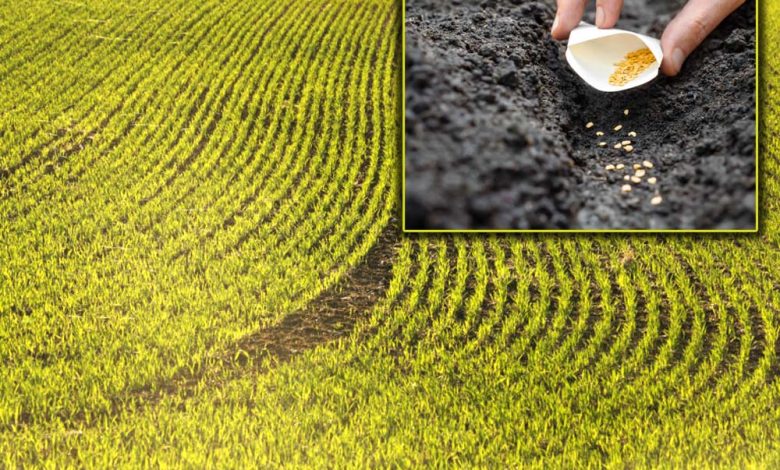
Uzbekistan has deposited over 20 agricultural crop varieties — including traditional types of watermelon, melon, and eggplant — into the Svalbard Global Seed Vault, the world’s most secure seed storage facility in Norway’s Arctic archipelago of Svalbard, the Ministry of Agriculture announced.
According to the ministry, the collection represents ancient and locally adapted Uzbek crop varieties. The transfer was carried out through a joint initiative involving Uzbekistan’s Ministry of Agriculture, the Scientific Research Institute of Plant Genetic Resources, the UN Food and Agriculture Organization (FAO), and the Nordic Genetic Resource Center (NordGen).
Officials said the move marks a major milestone in Uzbekistan’s ongoing efforts to preserve genetic diversity, strengthen its national gene pool, and contribute to global food security. The deposited seeds include heritage varieties of melon, watermelon, tomato, pepper, eggplant, carrot, onion, and wheat — among them, the native “Qayroqtosh” wheat, prized for its cultural and agricultural significance.
Representatives from the Institute of Plant Genetic Resources noted that the initiative underscores Uzbekistan’s commitment to protecting plant biodiversity, bolstering global food resilience, and preserving genetic resources for future generations.


The Svalbard Global Seed Vault, buried deep within Arctic permafrost and maintained at a constant -18°C, holds more than 1.1 million seed samples from across the world. Operated by the Norwegian government in partnership with the Crop Trust and NordGen, the vault serves as a global backup for seed collections, protecting them against threats such as climate change, natural disasters, and geopolitical instability.